
Hair Removal
What is it?
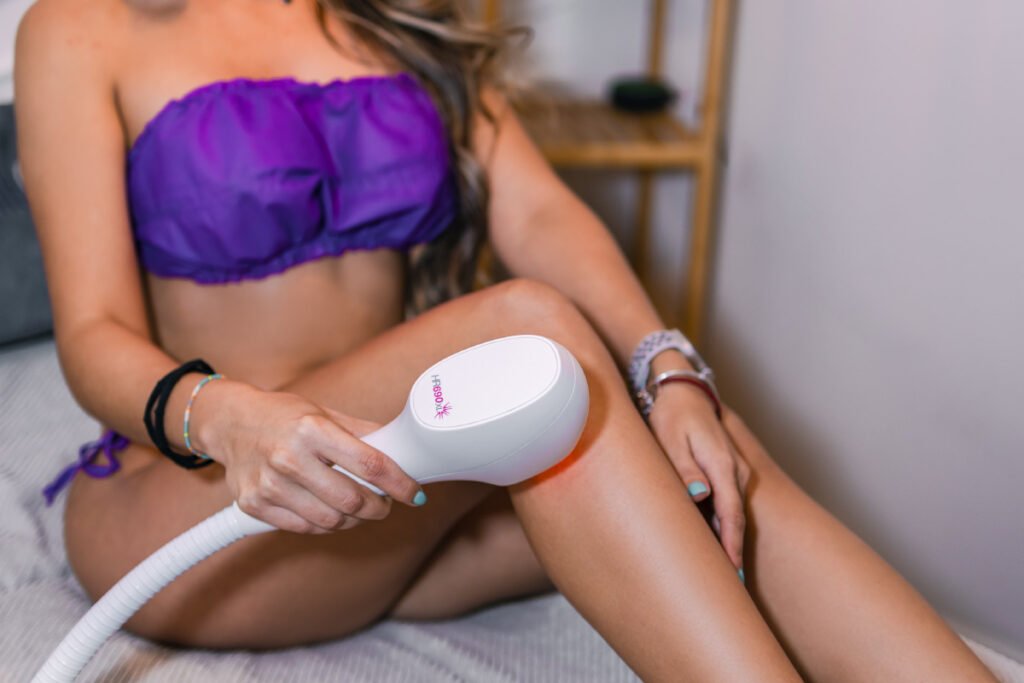
It is a treatment that uses light energy to progressively affect the hair follicle and reduce hair growth.
With laser hair removal, light is primarily absorbed by the melanin in the hair. The energy is converted into heat and damages the follicle, causing hair to grow back more slowly, finer, and in smaller amounts.
IPL / Laser
IPL = Intense Pulsed Light.
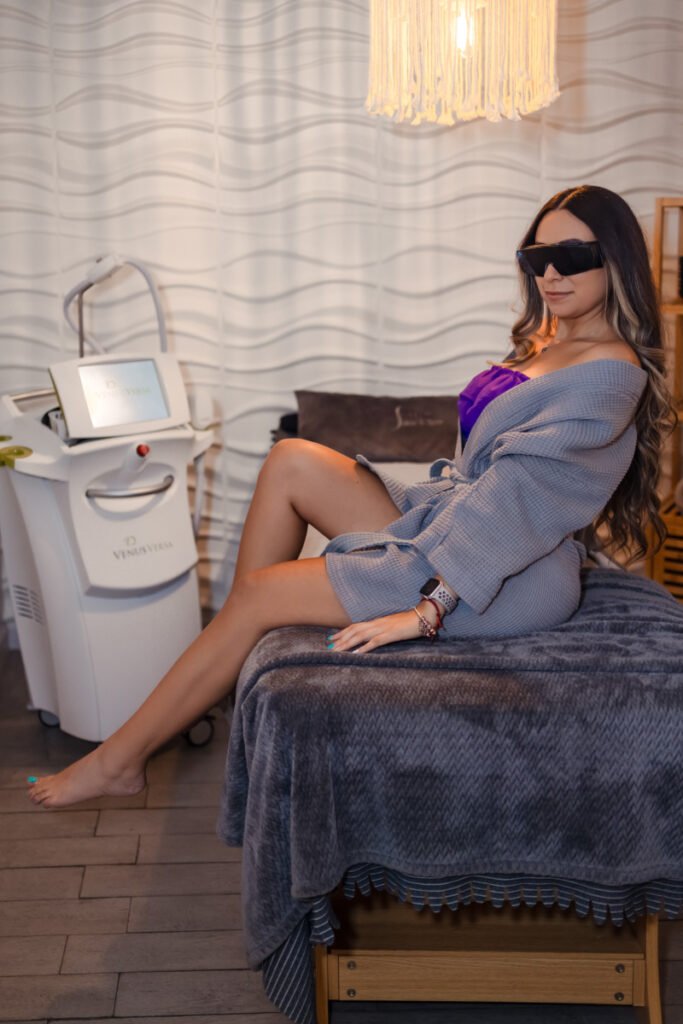
It is not exactly the same as a laser: IPL uses a broad spectrum of light, while a laser uses a more specific wavelength.
Depending on the equipment, both technologies can be used for different dermatological and aesthetic purposes.
What areas can be treated?
Underarms
Legs
Arms
Bikini
Brazilian
Back
Chest
Abdomen
Chin
Upper Lip
Neck
Who does it work best for?
Skin & hair contrast
It generally works best when there is contrast between the skin and hair, especially with dark hair.
Hair color matters
Very blonde, white, gray, or red hair may respond poorly because it contains little melanin to absorb the energy.
How many sessions?
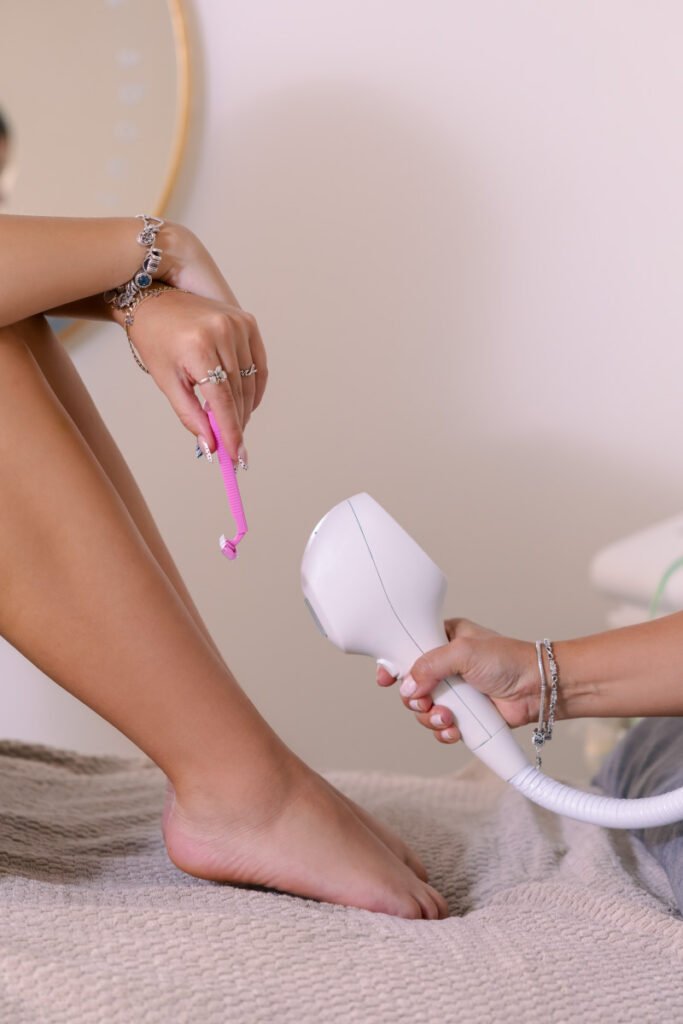
A series of sessions is normally required because not all hair is in the same growth phase at the same time.
After several sessions, hair usually becomes:
Finer
Lighter
Less abundant
Slower growing
The AAD notes that around six or more treatments may be needed to achieve permanent hair reduction in many body areas, although female facial hair may behave differently and maintenance treatments may be necessary.
Is it permanent?
It is better to speak of permanent hair reduction, rather than necessarily 100% hair removal.
Maintenance sessions may be necessary.
Permanent Hair Reduction
The goal is progressive and long-lasting reduction of hair growth, with results that can be maintained over time.
Possible side effects
Redness
Temporary redness may appear after treatment.
Swelling
Swelling around the follicle may occur.
Sensitivity
The treated area may feel temporarily sensitive.
Warmth
A temporary sensation of warmth may occur.
With incorrect parameters, there is also a risk of burns, blisters, and changes in pigmentation.
Every skin tone and hair type requires a personalized approach.
The equipment and treatment parameters should be adapted to the individual’s skin tone and hair type.